
We found Krakow to be simply charming and there’s plenty to see and do.
We stayed at a motorhome dealership just outside the City Centre called El Camp. http://www.elcamp.pl/ It cost about £7.00 per night including electric, there is a grey water dump, chemical WC dump and fresh water cost 1 euro. There is also a 24 hour security guard and the complex is gated. It was great value for money and the location was excellent for visiting the historic town centre, there is a bus stop right outside but we used Uber which cost about £3.50 each way.

Krakow is situated right on the Vistula river and dates back to the 7th century. It was officially the capital of Poland until 1596 and it has been cited as one of the most beautiful cities and the old town is a UNESCO World Heritage Site.
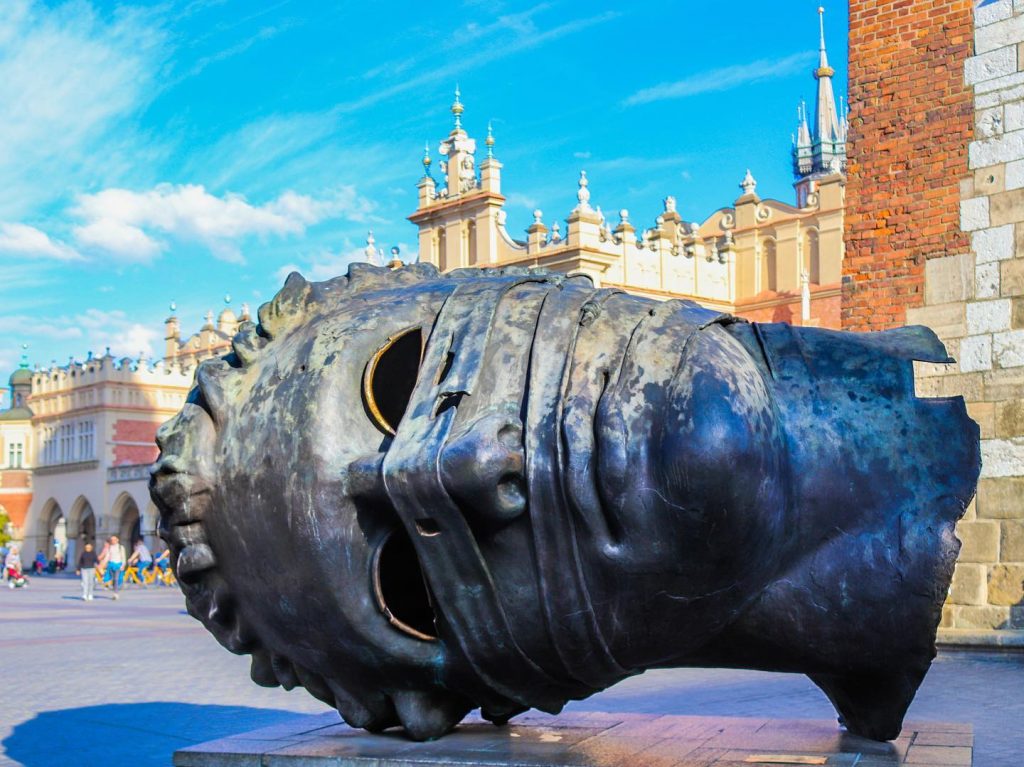
We headed straight to the Main Market Square which dates back to 1257 and is the largest medieval city square in Europe.
The Cloth Hall is located right in the centre of Main Square. For centuries is was used by locals to trade salt from Wieliczka Salt Mine, textiles and lead. Nowadays it houses mostly jewellery, souvenirs and amber market stalls.


Town Hall Tower is the only existing element of the complex of town hall buildings that once occupied the square. In the spring/summer you can admire a lovely panoramic view of Krakow from the tower’s deck.

St Marys Basilica was erected in the 13th century. Apparently inside is amazing, unfortunately they were doing some renovation work so we couldn’t see the inside very well. The trumpet call is played every hour, four times in succession in each of the four cardinal directions. It always breaks as though unfinished, to commemorate the legendry event of the trumpeter who tried to alarm the city of approaching invaders but was hit by an arrow and did not finish his trumpet call.

We loved wandering around the Jewish Quarter and had zapiekanki from Plac Nowy which is a market. Zapiekanki is probably best described as a polish version of pizza, they cost about £3.50 each and were huge!


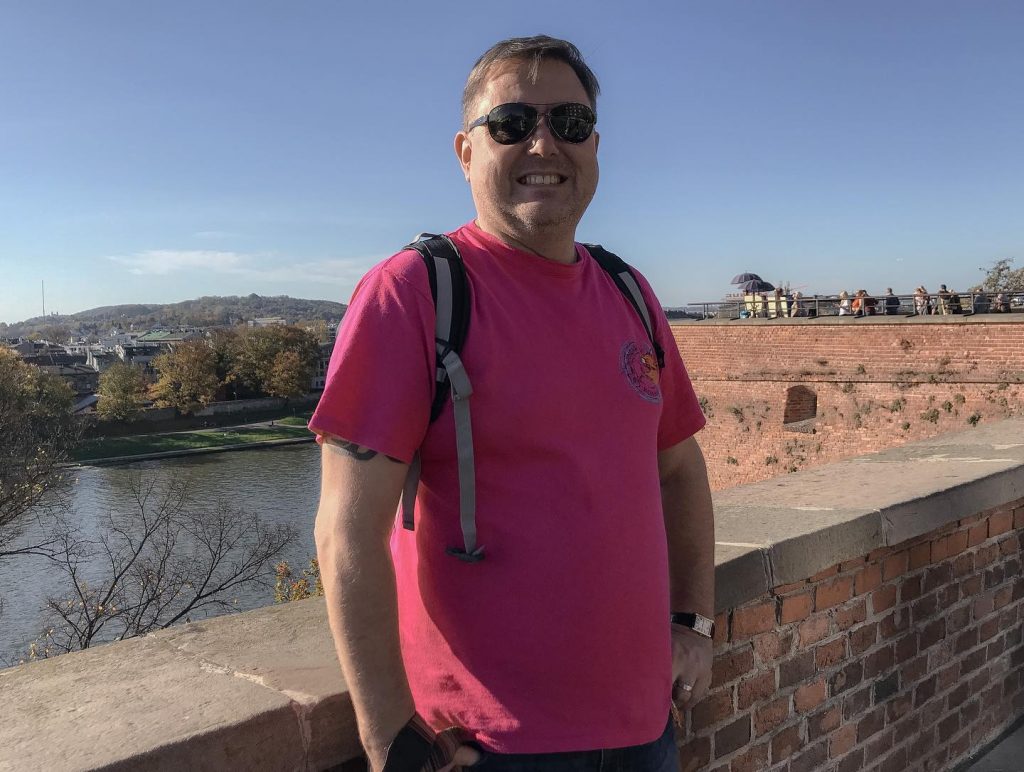
Wawel Hill is considered to be symbol of Polish statehood. The castle on Wawel Hill had been the residence of Polish monarchs ever since the 10th century. It is a beautiful example of Rennaissance architecture.

Next to the castle is Wawel Cathedral and this has been an important temple now for the 1000 years. It is where the crowning ceremonies of polish Kings took place and the main buriel site for Kings, Queens and national heroes.